


Welcome to your weekly macro roundup. This comprehensive edition covers the United States, Europe, and key emerging markets with in-depth analysis of the week's most significant economic developments and what they mean for markets ahead.
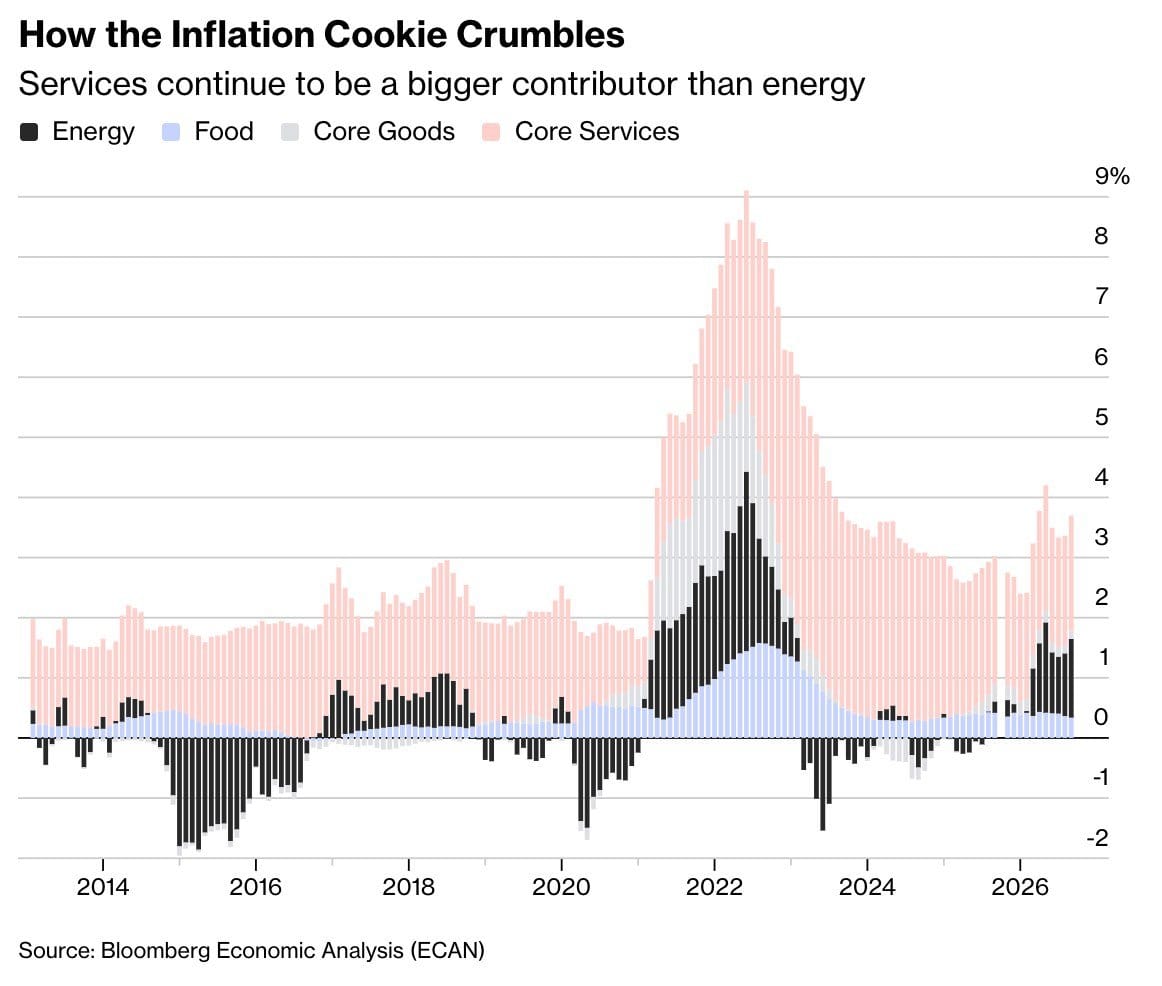
🇺🇸 Oil is pushing core producer inflation to 5.0% while core consumer prices sit at 2.6%
US producer prices rose 1.3% in September against a 0.6% forecast, the biggest monthly move since March 2022, while core CPI held at 2.6%. The Fed has to work out whether that means a margin squeeze or delayed pass-through before the October 27 to 28 meeting.

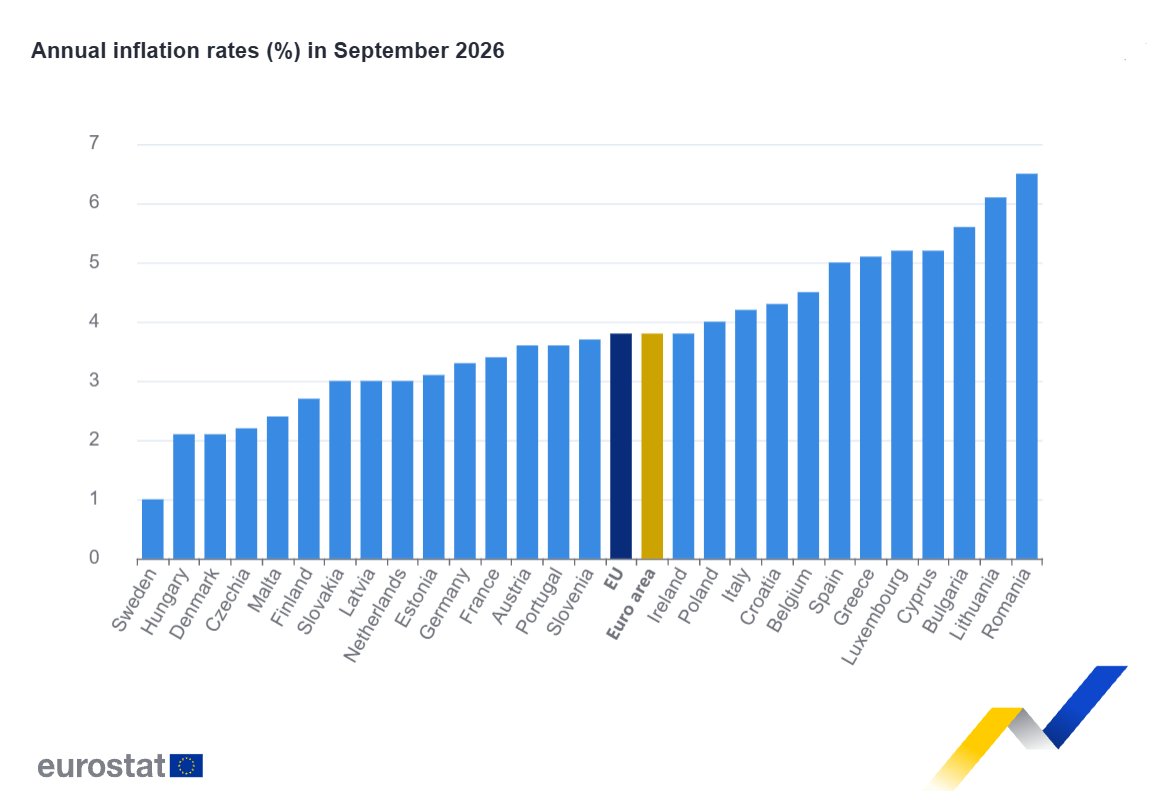
🇪🇺 Energy accounts for 45% of euro-area inflation, and the ECB's October meeting will decide who pays
Energy supplied 45% of euro-area inflation of 3.8% in September, and the August goods balance swung to a €16.1bn deficit. Core at 2.5% and services at 3.2% will decide whether the European Central Bank hikes again on 29 October.
🇬🇧 UK growth beat forecasts, and firms are quietly eating the energy shock
UK GDP rose 0.1% in August against a forecast 0.1% fall, and Bank of England officials credit firms for absorbing energy costs. Flat services, a £59.1bn goods deficit and the 28 October Budget make the case for a single November hike less clean.

🌏 Indonesia's 11.6% stock crash came from an index rulebook, not inflation
Jakarta's main stock index fell 11.6% on Friday, its worst day since 1998, after MSCI opened a consultation on demoting Indonesia to standalone status over opaque ownership. Turkey got a similar warning the same week.

🇨🇳 China's export boom is mostly price, and Monday's GDP deflator will show it
China's September exports rose 36.3% and the trade surplus hit $133.53bn, but chip export volumes grew just 1% while values jumped 136%. With producer prices up 5.0%, Monday's third-quarter GDP deflator could turn positive after more than two years below zero.

That wraps up this week's macro roundup. We'll be back with daily updates throughout the week and another comprehensive weekly edition next time. If you know someone who would appreciate this analysis, feel free to share. More signal, less noise, as ever. Cheers.
Discussion