


Welcome to your weekly macro roundup. This comprehensive edition covers the United States, Europe, and key emerging markets with in-depth analysis of the week's most significant economic developments and what they mean for markets ahead.
🇺🇸 Bond investors are tightening faster than the Fed, and the 10-year is at 5.22%
The Fed has hiked once, yet the 10-year Treasury yield is at 5.22% and 30-year mortgage rates are at 7.40%, while Michigan consumer sentiment fell to 46.3. Policymakers signal more tightening, but the long end is already doing most of the work.

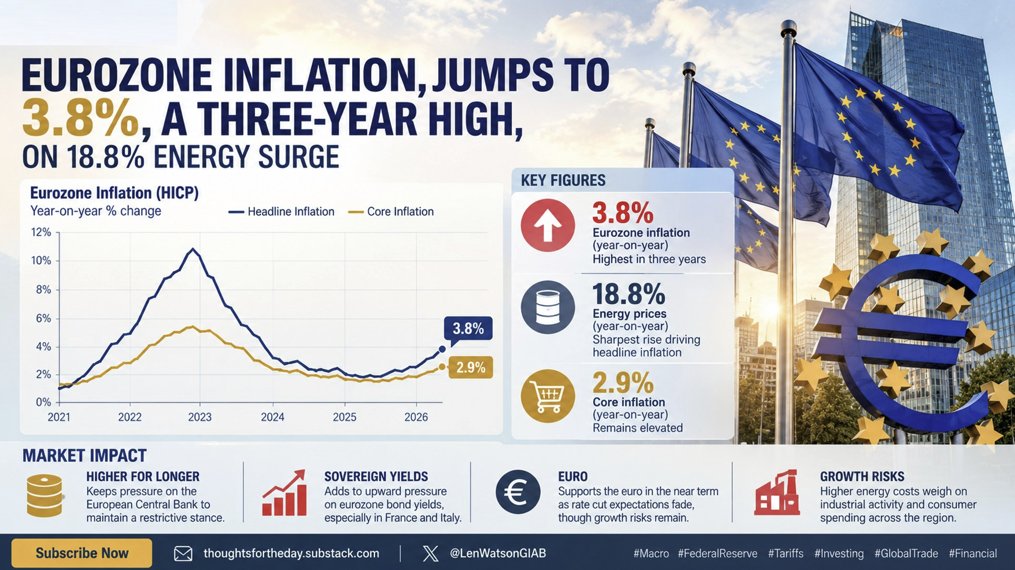
🇪🇺 France's bond market is tightening for the ECB, with the 10-year near 5% and euro area inflation at 3.8%
France's 10-year yield is up nearly 80 basis points since early September, close to 5% and the highest since 2002. With euro area inflation at 3.8%, the bond market is delivering a tightening the European Central Bank never voted for.
🇬🇧 Gilts are pricing the Budget, not the PMIs, with the 10-year at 5.5%
The 10-year gilt yield hit 5.52%, its highest since 2007, while the services surveys held steady. With about half of the £24bn fiscal buffer likely gone, the 28 October Budget matters more than the next Bank of England rate vote.

🌏 Emerging markets pay for $104 oil five different ways, and only Taiwan comes out ahead
Brent at $104.3 is being paid for differently across emerging markets: Brazil zeroed federal gasoline taxes ahead of its runoff, India's central bank hiked to 5.50% to defend the rupee, Mexico's peso fell 1.4%. Taiwan's exports rose 60.9% to a record $87.22bn.

🇨🇳 China sold more holiday trips at lower prices, and Beijing's stimulus is going to producers
China's Golden Week drew 826m domestic trips, but spending per trip fell 1.9% to ¥893.92, the lowest since 2022. Factory input costs are outpacing output prices, and the central bank's rate cut and lending quotas favour producers over households.

That wraps up this week's macro roundup. We'll be back with daily updates throughout the week and another comprehensive weekly edition next time. If you know someone who would appreciate this analysis, feel free to share. More signal, less noise, as ever. Cheers.
Discussion