


Welcome to your weekly macro roundup. This comprehensive edition covers the United States, Europe, and key emerging markets with in-depth analysis of the week's most significant economic developments and what they mean for markets ahead.
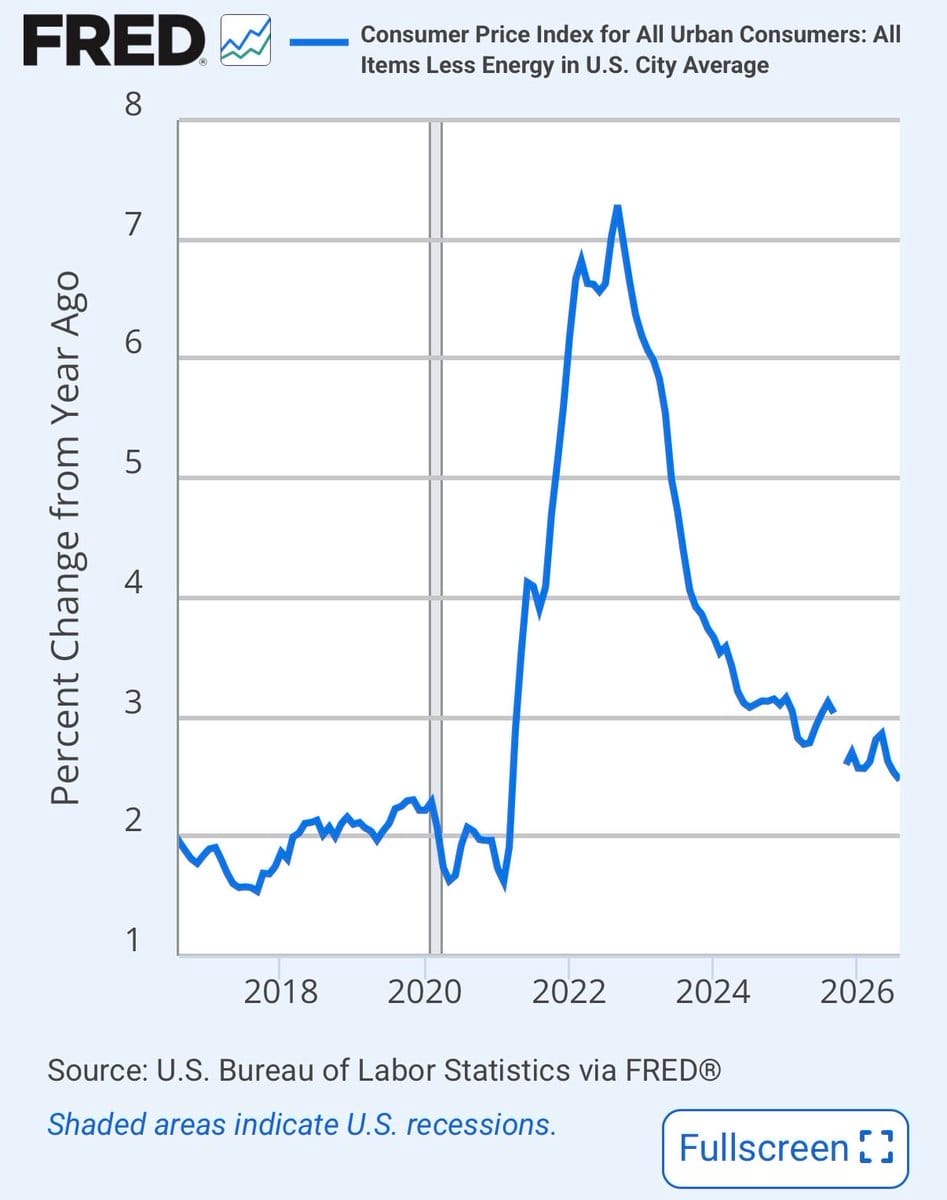
🇺🇸 Fed hike odds hit 90% on a hotter core CPI, for a shock rate policy can't fix
US core CPI rose 0.3% in August against a 0.2% forecast, pushing Fed rate hike odds to about 90% for a shock that's oil-driven and largely immune to rate policy.

🇪🇺 ECB hikes to 2.50%, but its own forecasts say the shock isn't temporary
The ECB raised its deposit rate 25 basis points to 2.50% on 10 September, then quietly lifted its 2027 and 2028 inflation forecasts, even as officials kept calling the energy-driven price spike temporary.

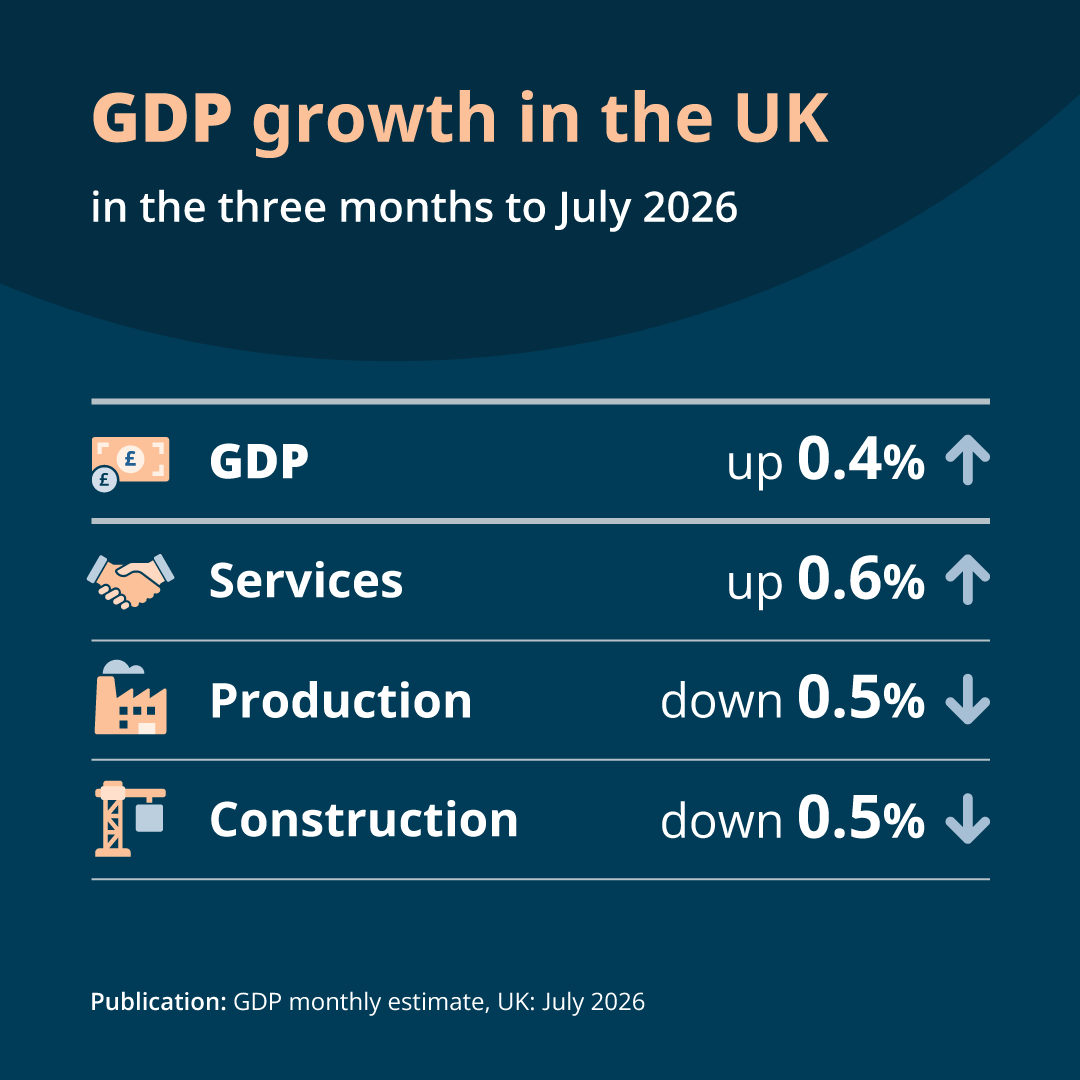
🇬🇧 UK GDP rose 0.4% in July, but the growth run rests on one narrow tech-services cluster
UK GDP rose 0.4% in July, the eighth straight three-month rise, but the entire services gain came from one AI-linked tech cluster, and construction is still contracting ahead of the Bank of England's 17 September rate decision.
🌏 Brazil cuts rates into an oil shock that would normally trigger hikes
Brazil is cutting rates for a fourth straight meeting even as Brent crude tops $100, the opposite of the usual emerging-market response to an oil shock. India's record $785.7bn reserve buffer is buying it the same room to ignore it.

🇨🇳 China stops treating deflation as a growth problem and starts treating it as an institutional one
Beijing rolled out three policy moves in 72 hours aimed at industrial overcapacity and hidden local-government debt, as China's producer prices rose 3.8% year on year and the yuan strengthened past 6.70 per dollar for the first time in four years.

That wraps up this week's macro roundup. We'll be back with daily updates throughout the week and another comprehensive weekly edition next time. If you know someone who would appreciate this analysis, feel free to share. More signal, less noise, as ever. Cheers.
Discussion